Conarly: Building a Legacy From London to Denver
From pirate radio inspiration and family emotion to Toldya’s bigger vision, Conarly is turning adversity, identity, and ambition into a movement.
By Toldya Editorial
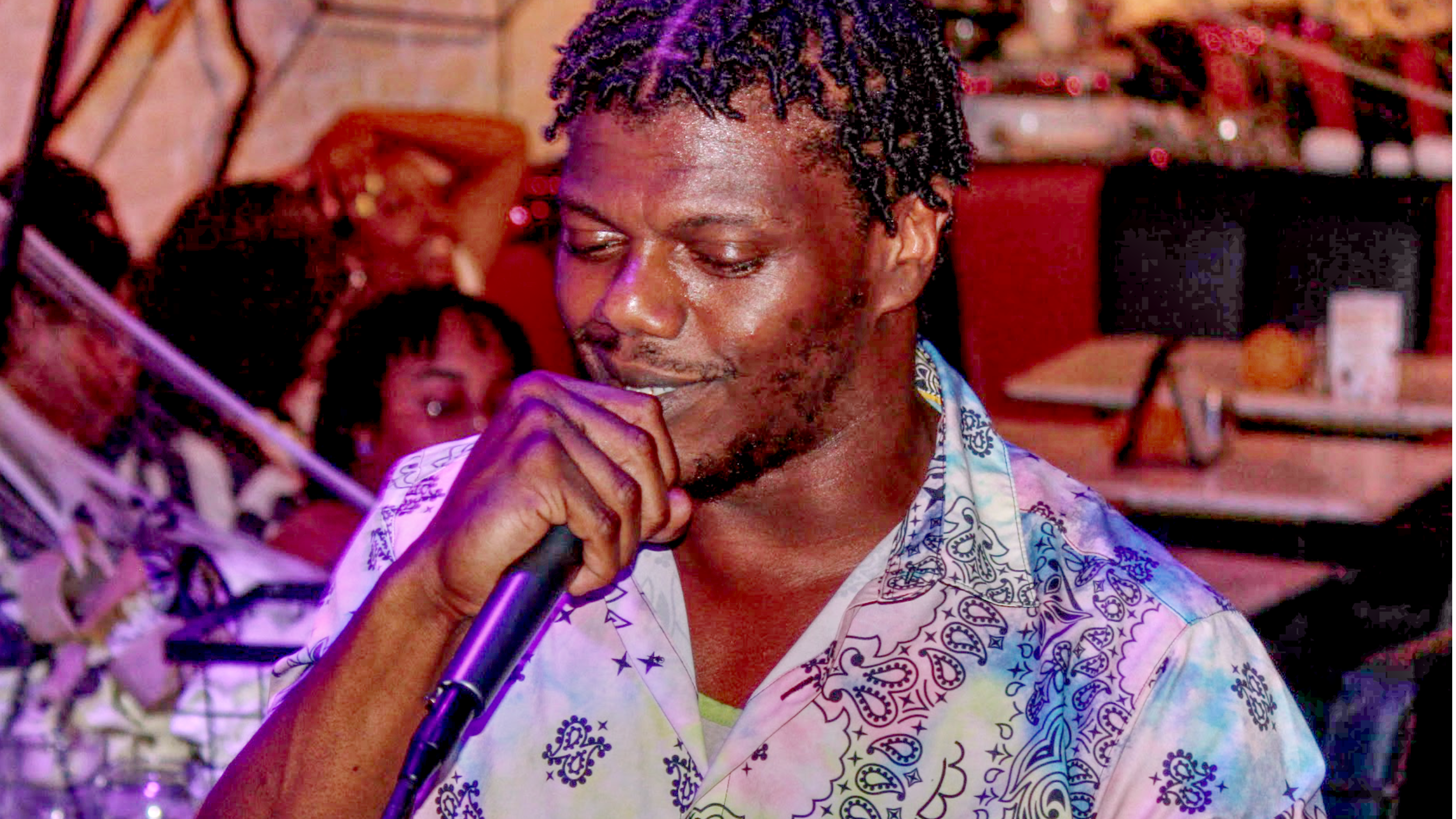
Some artists chase songs. Others are trying to build something the world will remember.
Conarly is not the kind of artist who fits neatly into one box.
He is a rapper, producer, engineer, graphic designer, and entrepreneur who understands something many artists eventually learn the hard way: in this era, making music is only part of the job.
To survive, grow, and stand out, you often have to become your own creative engine. That means building the visuals, shaping the brand, creating the platform, and finding new ways to bring people into your world.
For Conarly, that world is bigger than a catalog of songs. It is a mission rooted in identity, legacy, and the belief that music can change how people feel almost instantly.
Where the Feeling Started
Long before Toldya, websites, or bigger business ideas, there was the feeling.
One of Conarly’s earliest connections to music came from seeing what it did to the people around him. He watched family members light up while listening to certain songs. He felt the energy of instruments. He noticed how quickly music could create happiness, shift emotion, and make a moment feel larger than life.
That emotional power stayed with him.
At first, he did not fully understand how strong music could be. He just knew it moved people. And as he got older, that same feeling became the reason he wanted to create something of his own.
The Name That Stuck
Before Conarly became the identity, there were other rap names and earlier versions of self-discovery.
Like a lot of artists at the beginning, he was still figuring out who he was. One of those older names did not land well. After being ridiculed for using a previous rap name, he went home and wrote a rhyme that changed everything.
“They call me Conarly. Why? Because I’m so gnarly.”
That was the turning point.
The name clicked because it was unique, memorable, and sounded natural in a rhyme. More importantly, it felt like ownership. Conarly was not just a stage name. It became a mindset.
To him, being Conarly means going headfirst into life, trying to stay confident through adversity, and aiming to get the best possible outcome out of every situation. It means choosing boldness over doubt.
Turning Adversity Into Identity
Confidence did not appear out of nowhere.
Conarly’s identity was shaped by pressure, doubt, and difficult experiences that could have easily pushed him in the other direction. He speaks openly about growing up around criticism, being bullied, and not always feeling supported in the things he loved most.
But instead of letting that erase him, he turned it into fuel.
That is part of what makes the Conarly identity feel real. It is not a mask that only shows up when the camera is on or the mic is live. It is something he tries to embody every day.
In that sense, the name is not branding alone. It is a response to adversity. A declaration that he will keep moving anyway.
London Roots, Global Sound
Growing up in London gave Conarly a relationship with music that was deeper than mainstream radio.
He remembers the underground energy of pirate radio, the feeling of needing to be “in the know” to catch certain sets, and the excitement of hearing DJs and MCs move through garage, grime, and other UK-born sounds that carried a life of their own.
That environment mattered.
It taught him that music scenes are built by people who care enough to create their own platforms when the mainstream is not making room for them. It also shaped the sound he still carries today.
Artists and movements from the UK left a clear mark on him, and that influence shows up in the way he thinks about grime, EDM, rap, and genre-blending music overall. He does not separate those worlds. He connects them.
Now in Denver, that UK influence gives him a lane that feels distinct. In a city he sees as heavily EDM- and pop-forward, his London-rooted blend of rap, electronic energy, and underground influence helps him stand out.
The Moment It Became Serious
There were several moments that made music feel real, but one stood above the rest.
After hearing one of Conarly’s songs, his younger brother Lamar told him it brought him to tears. That response hit hard.
It showed him that his music could do more than sound good. It could make someone feel something deeply.
That realization changed the way he saw his talent.
Later, another turning point came when he lost his last job. For some people, that kind of moment becomes a setback. For him, it sharpened the decision. It pushed him to go harder and commit more seriously to making Toldya and his music work.
Since then, he has been building with urgency.
No Perfect Balance, Just Full Commitment
Conarly does not pretend he has everything balanced perfectly.
Right now, his process is more about deep commitment than neat organization. When something sparks passion in him, he throws his full energy into it. That could mean building out a website, developing a bigger creative platform, pushing for more performances in Denver, or finding new ways to move his art forward.
It is not polished. It is not always balanced. But it is real.
And for artists building from the ground up, that kind of all-in mentality is often what creates momentum in the first place.
Why Toldya Is Bigger Than One Artist
The long-term vision is not just personal fame.
Conarly wants Toldya to become a serious creative infrastructure: a place where music, visuals, collaborations, and opportunities all live under one larger ecosystem. That includes Toldya Records, artist releases, videos, and a wider collective where creatives can connect across roles and industries.
The bigger idea is simple: artists should not have to build alone.
He envisions a hub where musicians, engineers, videographers, stylists, designers, writers, and other creatives can find each other, offer services, post opportunities, and help bring projects to life.
That vision is especially important to him in Denver, where he feels hip-hop and Black creative culture deserve more visible structure, more collaboration, and more room to grow.
Learn more at Conarly.com.
The Mindset Behind It All
At the center of everything is one idea: preservation of life and legacy.
Conarly wants a life that feels meaningful. He wants to honor the people who have kept him in their lives. He wants comfort, fulfillment, and the ability to build something substantial enough to outlast him.
But he is also thinking bigger than personal success.
He wants his name tied to something respected. Something lasting. Something that can leave a mark on history.
His dream is not modest. He wants Toldya to grow into a globally recognized company, the kind of name people know across countries and cultures. And he wants it to stand as one of the first Black-owned businesses to reach that level of international recognition and respect.
That is not a side note in the story. That is the story.